Got a Health Canada Letter About Your Advertising?

Health Canada is Paying Closer Attention to How Aesthetic Clinics Advertise.
Medical aesthetics sits at an unusual intersection of healthcare and consumer marketing. Clinics are competing for attention on Instagram, Google and their websites, but many of the treatments being promoted involve prescription drugs or regulated medical devices subject to Health Canada advertising regulations.
Health Canada actively monitors health-product advertising and investigates complaints from healthcare professionals, competitors and members of the public. When advertising is found to be non-compliant, clinics may receive a Health Canada regulatory letter asking them to correct or remove the advertising.
And the rules aren't always intuitive. A treatment may be perfectly legal to provide while the way it is advertised to the public is restricted. That's particularly important for medical aesthetic practices advertising prescription drugs such as Botox, as well as regulated devices and treatments.
If you've received a Health Canada letter about your clinic's advertising, the next step is understanding exactly what was flagged, whether the same issue appears elsewhere in your marketing, and what needs to change.
Common Medical Aesthetics Advertising Compliance Problems:
Products such as Botox® are subject to specific restrictions on direct-to-consumer advertising. Naming a prescription drug alongside claims about what it treats or the results it provides can create compliance concerns.
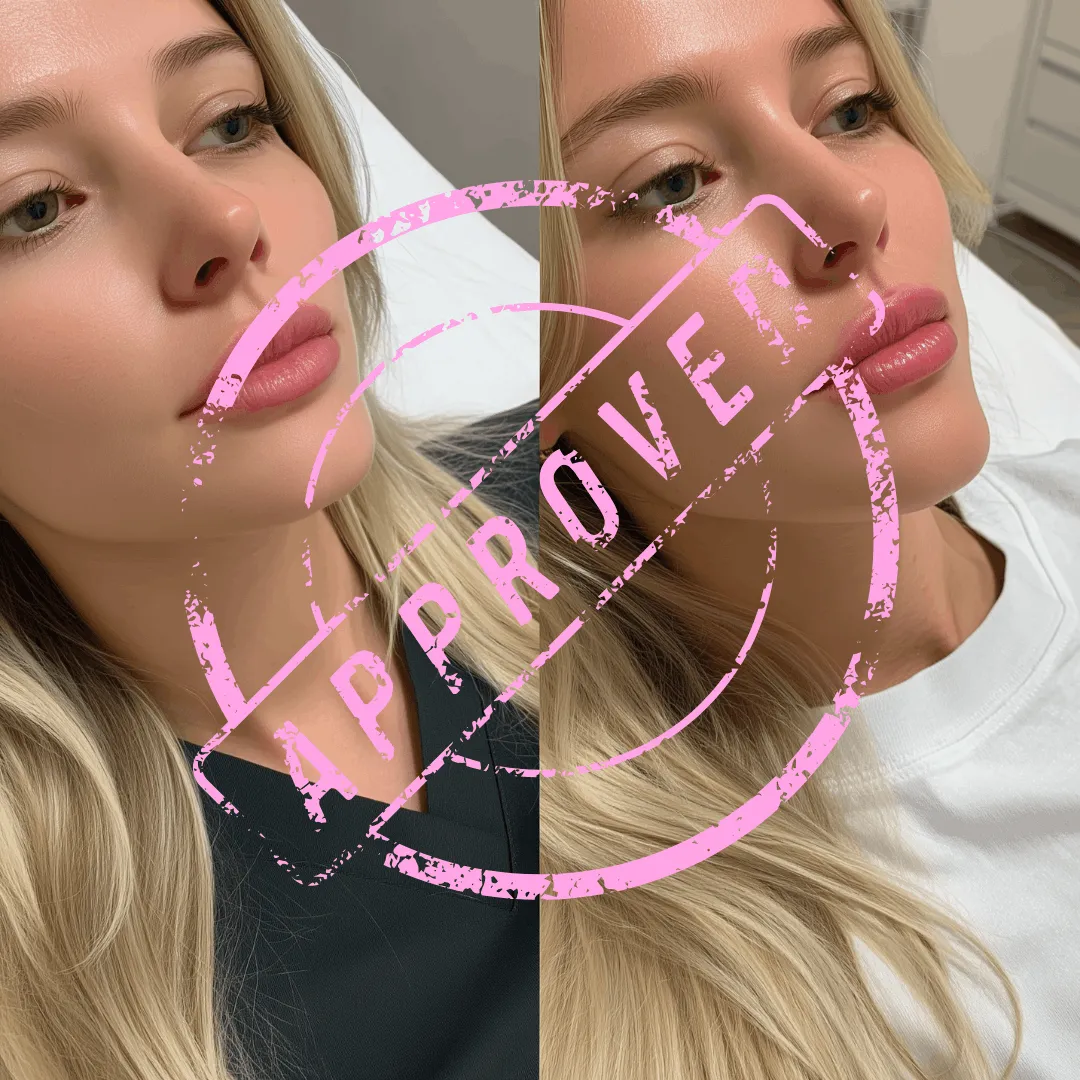
Images, captions and treatment demonstrations can communicate claims even when those claims aren't explicitly written. The context around before-and-after content matters.
Health Canada advertising requirements aren't limited to traditional ads. Your website, landing pages, Google Ads, Meta Ads and organic social content can all form part of your public-facing marketing.
Patient testimonials, benefit claims, comparisons and promotional language can create problems when they communicate something that isn't permitted for the product or treatment being advertised.

From Health Canada Letter to a Clear Plan Forward.

We Understand the Rules and the Marketing They're Being Applied to.
Health Canada advertising requirements don't exist in a marketing vacuum. Your website, Google Ads, Meta campaigns, social media, treatment pages, imagery and copy all work together, and understanding how those pieces communicate to a consumer matters.
Healing Path specializes in healthcare and medical aesthetics marketing. That means we're able to review compliance concerns through both lenses: what the advertising requirements say and how modern digital marketing actually works.
We don't just point to a problematic sentence and leave you to figure out the rest. We look for the same issue across your marketing ecosystem, explain what we're concerned about in plain language, and help you determine what needs to be changed.
Note: a marketing compliance audit is not legal advice. For formal regulatory or legal representation we'll help you know when to bring in a professional.
Frequently Asked Questions

Don't ignore it, and don't rush a defensive reply. Note any deadline, gather the ads or pages referenced, and get a clear read on what's actually being flagged. Our free audit helps you understand the notice in plain language and map a calm, documented response, so your first move is a considered one.
Yes. The initial compliance audit and your prioritized report cost nothing and come with no obligation. If you decide you want help implementing the fixes, we'll talk about that separately.
No. Plenty of practices come to us proactively, before a letter ever arrives, to make sure their website and ads are defensible. That's the ideal time to audit.
No. We audit your marketing against advertising standards and platform policies and give you a practical action plan. It's not a substitute for a lawyer, and we'll tell you clearly when a situation calls for one.
Med spas, medical aesthetics clinics, and health and wellness practices, the kind offering regulated or high-scrutiny treatments where advertising rules bite hardest.
Find Out Where You Stand Before Someone Else Decides For You.
Get a free marketing compliance audit of your website, ads, and social. Real review, plain-language plan, no pressure...worst case, you leave knowing exactly where your risk is.

